Small Living Room, Big Impact: Layout Tips for Cozy Comfort
Designing a small living room that feels both cozy and impactful is all about smart choices. With the right layout and a few strategic tricks, even the tiniest space can feel welcoming, stylish, and surprisingly functional.
Here are layout-focused tips to get the most comfort and character out of your small living room.
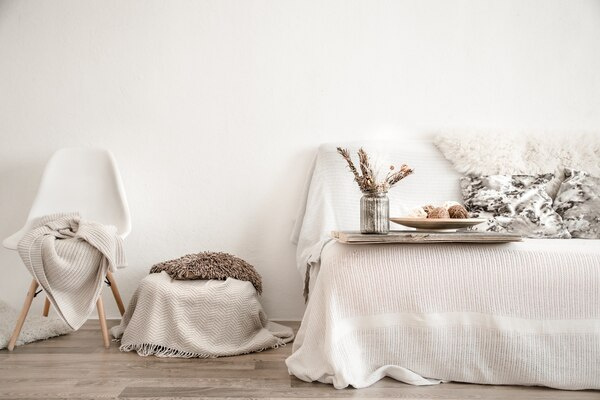
1. Start With a Purpose, Not With the Sofa
Before you move a single piece of furniture, decide what the room really needs to do for you:
- Is it mainly for lounging and watching TV?
- A place to read and relax?
- A multipurpose hub for working, dining, and entertaining?
Once you’re clear on the primary function, you can design the layout around that goal instead of letting the largest item (usually the sofa) dictate everything.
Tip: If your living room has to do double-duty (e.g., living + office or living + dining), mentally divide it into “zones” and plan your layout to support each.
2. Choose the Right Size Sofa
In a small room, an oversized sofa will swallow the space. But going too small can make the room feel less comfortable.
Layout guidelines:
- Go for a streamlined silhouette. Choose a sofa with slim arms, raised legs, and a low profile. It visually takes up less space.
- Consider a two-seater or apartment-size sofa. Usually 68–75 inches wide (170–190 cm) is enough for two people and more proportional to a small room.
- Avoid bulky recliners and huge sectionals unless they’re custom-fitted to the space.
If you must have a sectional:
- Opt for an L-shape with a chaise along the longest wall.
- Make sure the chaise doesn’t block pathways or doors.
3. Float Furniture Instead of Pushing It All Against the Walls
It feels natural to shove everything to the edges in a small room, but that can make the space feel flat and lifeless.
Try this instead:
- Pull the sofa 6–10 inches away from the wall if possible.
- Place a narrow console table behind it for extra surface space and storage.
- Float a small armchair at an angle opposite the sofa to create an intimate conversation area.
By giving furniture a little breathing room, you create depth and make the room feel thoughtfully designed rather than cramped.
4. Define the Space With a Right-Sized Rug
The wrong rug can make a small room feel even smaller.
Layout rules of thumb:
- The rug should be large enough that at least the front legs of your sofa and chairs sit on it.
- Leave a border of floor (about 8–18 inches / 20–45 cm) between the rug and the walls.
- Avoid tiny “island” rugs that float awkwardly in the middle—they visually chop up the room.
A properly sized rug anchors your seating area and helps the room feel cohesive and cozy.
5. Create Clear Pathways
Comfort isn’t just about softness—it’s also about how easy it is to move around.
When planning your layout, make sure:
- There’s a clear path from the door to the main seating without zigzagging.
- You leave at least 24–30 inches (60–75 cm) of walking space where people need to pass.
- Coffee tables are about 14–18 inches (35–45 cm) from the sofa—close enough to reach, far enough to move around.
Avoid placing furniture in a way that people constantly squeeze by or step around pieces. If movement feels smooth, the room instantly feels more comfortable.
6. Use Multi-Functional Pieces to Lighten the Layout
In a small living room, every piece needs to earn its keep. Choose furniture that works in more than one way to cut down on clutter and bulk.
Smart multi-functional choices:
- Ottomans instead of a bulky coffee table – They can be used as seating, footrests, or table space with a tray.
- Storage coffee table – Hide blankets, remotes, and books inside to keep surfaces clear.
- Nesting side tables – Pull them out when you have guests, tuck them away when you don’t.
- Storage benches or window seats – Add seating without crowding the center of the room.
By reducing the number of individual pieces you need, the layout feels more open and airy.
7. Think Vertically, Not Just Horizontally
When floor space is limited, use your walls to your advantage.
Layout tricks that go up instead of out:
- Wall-mounted shelves instead of deep bookcases.
- Floating media units under the TV to free up floor room.
- Tall, slim shelving units in corners to draw the eye upward.
- Wall sconces or plug-in lights in place of bulky floor lamps.
This keeps the layout light at ground level but still gives you storage and style.
8. Balance the Room, Don’t Overload One Side
A small space can quickly feel off-balance if all the visual weight sits on one wall.
To create balance:
- If your sofa is large and dark on one wall, add something of similar visual weight opposite—like a media unit, bookshelf, or a pair of chairs.
- Distribute color and height across the room so one area doesn’t feel too heavy.
- Use a pair of smaller chairs instead of one giant armchair for flexibility and better weight distribution.
Balance doesn’t mean symmetry, but the room should feel evenly grounded from side to side.
9. Work With the Focal Point (or Create One)
Every cozy living room benefits from a focal point—it gives your layout something to organize around.
Common focal points in small rooms:
- A TV wall or media console
- A large window with a view
- A fireplace or built-in shelving
- A bold art piece or gallery wall
Layout strategy:
- Position the sofa facing or slightly angled toward the focal point.
- Keep the TV wall uncluttered—too many small items will feel busy in a tiny room.
- Arrange chairs or ottomans so conversation still feels natural; you shouldn’t have to twist uncomfortably to see people.
If your room doesn’t have a natural focal point, create one with a striking piece of art, a feature wall, or a standout light fixture above the main seating area.
10. Keep Corners Active but Not Crowded
Empty corners can make a room feel incomplete, but overloaded corners can feel suffocating.
Smart corner uses:
- A slim floor lamp and a plant for softness and height.
- A small accent chair plus a tiny side table for a reading nook.
- A corner shelf or ladder shelf for books and decor.
The goal is to visually round out the room without blocking light or walkways.
11. Layer Lighting for a Softer, Cozier Layout
Lighting affects how your layout feels just as much as your furniture.
Aim for at least three types of light:
- Ambient: Ceiling light, track lighting, or a large pendant.
- Task: A reading lamp by the sofa or chair.
- Accent: Wall sconces, LED strips on shelves, or a small table lamp on a console.
Spread the light sources around the room, not just in one spot, so the space feels evenly warm and welcoming.
12. Use Visual Tricks to Make the Layout Feel Larger
A few design illusions can make your compact layout feel spacious:
- Low-profile furniture makes ceilings feel higher.
- Leggy pieces (sofas, chairs, tables with visible legs) expose more floor, making the room look bigger.
- Mirrors opposite windows bounce light and visually open up the space.
- Light or mid-tone colors on walls and large pieces keep the room from feeling heavy.
You don’t have to avoid dark accents entirely—just keep them in smaller doses (throw pillows, art, a side table) so they don’t dominate.
13. Leave a Little Breathing Room
When planning a small living room, it’s tempting to squeeze in as much as possible. True comfort, however, comes from what you don’t include.
To keep things cozy, not cramped:
- Edit down to the pieces you use regularly.
- Leave some empty wall space and an area of open floor.
- Avoid blocking natural light with tall, bulky furniture in front of windows.
A bit of negative space lets your layout feel inviting instead of overwhelming.
14. Sample Layout Ideas for Small Living Rooms
To visualize how these tips work together, here are a few simple layout formulas you can adapt.
Layout 1: Narrow Living Room with TV
- Sofa against the longest wall, pulled slightly away from it.
- Wall-mounted TV on the opposite wall with a slim media console.
- Narrow coffee table or upholstered bench in the center.
- One compact chair angled near a corner to soften the rectangle.
- Floating wall shelves above the media unit for storage.
Layout 2: Square Living Room for Conversation
- Sofa centered on one wall.
- Two small armchairs opposite the sofa, forming a U-shape.
- Rug anchoring all front legs of furniture.
- Round coffee table in the middle to ease movement around it.
- Tall lamp or plant in a corner to balance the room.
Layout 3: Small Living + Work Space
- Sofa along the wall facing the focal point (TV or window).
- Small desk placed perpendicular to the sofa back, creating a mini “office zone.”
- Desk chair that can also act as extra seating when guests come.
- Storage ottoman as a coffee table for hidden office supplies.
A small living room doesn’t have to limit you. With a thoughtful layout—clear pathways, right-sized furniture, and smart multi-use pieces—you can create a space that feels relaxed, functional, and full of personality.
Focus on how you move, sit, and live in the room day to day. If the layout supports your routines and feels easy to use, your small living room will have a big impact where it matters most: in comfort.